 Our History
 Our Providers
 About Us
 Blog
Blog
 Contact us
 Diagnostic & Preventive
 Implant Dentistry
 Cosmetic Dentistry
 Clear Braces
 Periodontics
 Patient Forms
 Payment Information
 Insurance Options
 CareCredit Dental
 Appointment Policy
 Free Consultation
 Complimentary Teeth Whitening
 Teeth Whitening
Porcelain Crowns & Bridges

Guide to Dental Crowns: Description, Types & Cost in NYC
Dental Crowns are a crucial aspect of modern dentistry, providing versatile solutions to various dental issues. Dental crown also known as a tooth crown covers several types of dental procedures that address the same or similar needs but are made using different dental materials, examples of types of dental crowns are ceramic crowns, porcelain crowns, gold crowns, porcelain fused to metal crowns, stainless steel crowns, implant crowns. These dental fixtures play a pivotal role in enhancing both the functionality and appearance of teeth, addressing a range of dental concerns. Here we will explore types of dental crowns, benefits, and essential considerations. Understanding the significance of dental crowns is key to making informed decisions about oral health treatments and achieving a confident, healthy smile.
- Dental Crown Procedure, Cost, and Types
- Porcelain Dental Crown Cost in NYC
- Types of Dental Crowns
- Dental Crown Considerations
- What Is a Dental Bridge?
- 209 NYC Dental
209 NYC Dental in Midtown East Manhattan offers a wide array of options for the replacement of missing teeth, broken and compromised teeth, including comfortable, natural-looking dental implants, bridges, and dental crowns to help patients throughout New York City improve their smiles and feel more confident in the way they look.
What is Tooth Crown?
The anatomical tooth crown refers to the natural, visible part of a tooth covered by enamel, extending from the gumline to the tip of the tooth. It includes enamel, dentin, and the pulp chamber, and its features vary based on tooth type. The anatomical crown is a natural component of the tooth within the oral cavity.
On the other hand, a dental crown, also often referred to by patients as tooth crown, is a prosthetic restoration designed to replicate and replace the anatomical tooth crown when more natural tooth structure is damaged.
Dental Crown Procedure, Cost, and Types
What is Dental Crown?
Dental crowns are versatile dental restorations that encase damaged or weakened natural teeth, restoring their strength, shape, and functionality. These tooth shaped caps are individually made in the dental lab and are crafted to fit over the entire visible portion of the tooth structure, providing both structural support and an aesthetically pleasing appearance. They are permanent crowns, thus they are performed by a licensed dentist and require significant skills. Depending on the needs and concerns of the patients dentists determine types of dental crowns best suited for each case.
When Do I Need a Dental Crown?
It is important to understand what is the proper treatment for each type of dental damage. In the dental arsenal of procedures, we have dental bondings, ceramic onlays and inlays, crowns, and porcelain veneers to restore most of the damage caused by decay or fractures or to enhance one’s smile.
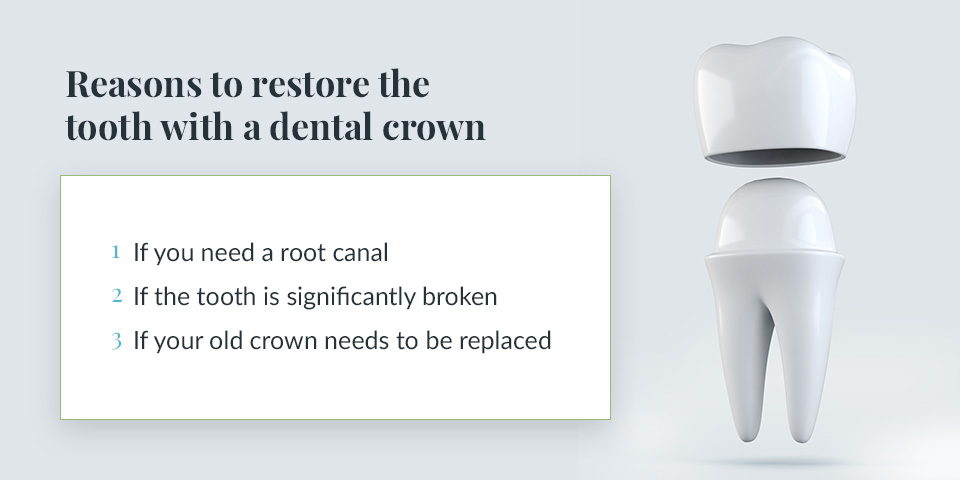
With so many more conservatives replacement options to restore a damaged natural tooth structure, why is dental crown needed? There are various scenarios when covering the entire tooth with a dental crown is the best treatment option. Understanding when to consider a dental crown is crucial for maintaining optimal oral health.
- Significant Tooth Decay: Significantly decayed tooth that lost a lot of natural tooth structure becomes susceptible to future fractures if not restored properly. Fillings or porcelain onlays may not obtain proper retention to provide long-lasting results. In a case like this the dentists may recommend placing dental crown over the weak tooth.
- Broken Tooth or Cracked Tooth: Sometimes severely broken tooth can be missing more natural tooth structure then it has remaining. Here, dental crown can provide structural support to this weak tooth and replace missing tooth structure to its full functionality.
- Root Canal Treatment (RCT): If you need a root canal treatment or had a root canal therapy done, it is advised to restore damaged tooth with a dental crown. After the root canal, the tooth becomes brittle and may break under biting pressure. Thus, a dental crown is commonly recommended to protect the treated tooth and prevent more damage to the tooth structure.
- Cosmetic Enhancement: Along with dental veneers, all porcelain crowns and all resin crowns are used for cosmetic purposes, such as improving the appearance of discolored, misshapen, or severely stained teeth.
- Support for Dental Bridges as Abutment teeth: Dental crowns serve as anchors for dental bridges, helping to replace missing teeth and restore a complete, functional dental arch.
- Implant Crown Restoration: Dental crowns is utilized to restore teeth that have been replaced with dental implants, providing a natural-looking and functional replacement.
- Replacing Old Crown: If there is an old dental crown that needs to be replaced due to fracture, decay, or cosmetic reasons, a new crown is the only replacement option.
To learn about other suitable options to restore tooth decay or tooth fracture read porcelain and composite fillings article. Our porcelain veneers article can help you find a detailed explanation of when dental veneers are considered the best treatment.
Common Types of Dental Crowns
The types of dental crowns, in reality, describe the types of dental materials used to create crowns, but the concept and process from the patient’s standpoint are the same.
A dental crown can be made out of different materials like gold, ceramic, metal alloys, and porcelain fused to metal. All porcelain crown, ceramic crowns and porcelain fused to metal crowns are fabricated to match the natural tooth color.
ALL–CERAMIC & ALL-PORCELAIN CROWNS
All-ceramic and all-porcelain crowns are dental crowns the entire crown is made without use of any metals. All-porcelain crown usually has the most natural-looking color and is a great choice for front tooth or as an alternative for those with metal allergies, offering a lifelike translucency that mimics natural tooth enamel. However, they can wear down after time and are not the strongest option.
Emax Crowns
Emax (pronounced as “ee-max”) is a brand name for a type of dental ceramic that is often used to create all-ceramic or all-porcelain crowns. Emax crowns are known for their aesthetic qualities, strength, and durability. E-max crowns stand for lithium disilicate crowns, which are made of glass-ceramic material. The fabrication of E-max crowns typically involves advanced computer-aided design and computer-aided manufacturing (CAD/CAM) technology, ensuring precise and customized results. Dentists may recommend E-max crowns based on the patient’s specific needs, considering factors such as the location of the tooth, the patient’s bite, and aesthetic preferences.
ZIRCONIA CROWNS
Zirconia crowns are long-lasting, very strong while putting less stress and wear on the opposing teeth. Zirconia crowns are not likely to cause allergic reactions. However, due to strength and adherence to the tooth Zirconia crowns may be harder to remove if additional treatment is needed down the line. Zirconia crowns are more opaque than E-max crowns, but if you are a bruxer, they might be a better choice.
Porcelain Crown vs Ceramic Crown
The terms “porcelain” and “ceramic” are sometimes used interchangeably in dentistry, but there are distinctions between them, particularly in the context of dental crowns:
- All-Porcelain Crown is a dental crown made entirely of porcelain. All porcelain crown is a subset of ceramic crowns. These crowns are known for their natural tooth-like appearance, as porcelain can be color-matched to the patient’s existing teeth. They are commonly used for front teeth due to their aesthetic qualities.
- Ceramic Crowns: The term “ceramic crown” is broader and can encompass various ceramic materials used in dental restorations, including porcelain. Ceramic crowns may be composed of different types of ceramics, such as zirconia or lithium disilicate. These materials offer strength and durability while providing a natural look.
PORCELAIN FUSED TO METAL CROWNS (PFM CROWNS)
Porcelain fused to metal crowns, also called PFM crowns have a natural color and can be color-matched to the surrounding teeth. As the name implies they have porcelain coating over the metal crown underneath. The metal crown underneath can vary from base metal to high-noble metal to titanium alloy.
These crowns are a good choice for front or back teeth, but they may chip, break off, or wear down surrounding teeth over time if the patient is heavy grinder.
PFM crowns do not offer the same level of translucency as all-ceramic crowns. They can cause allergic reaction if there is sensitivity to metals. Also, with age our gums recede causing the metal underneath PFM crowns to be exposed resulting in less aesthetic appearance.
ALL METAL CROWNS
All metal crowns, also known as full-metal crowns, are dental crowns where the entire crown is made without any porcelain or ceramic components. These dental crowns are resilient and suitable for withstanding biting and chewing forces, making them suitable for restoring back teeth where biting forces are more significant. Due to its strength and lack of ceramic components metal crowns rarely chip.
These crowns, often crafted from alloys like gold, palladium, or nickel-chromium. They typically require less tooth structure removal during preparation, preserving more of the natural tooth.
While metal crowns offer robust functionality, their metallic appearance makes them less aesthetically appealing. In addition, like PFM crowns allergic reaction is a consideration for patients with sensitivity to metals.
GOLD CROWNS
A gold crown is a dental crown crafted from gold or a gold alloy, known for its exceptional durability, biocompatibility, and resistance to wear. Typically used for molars and premolars, gold crowns require minimal removal of tooth structure during preparation.
Generally, gold crowns tend to be more expensive than other types of crowns due to the cost of the gold alloy. Prices can range from $800 to $3,000 per new crown.
Stainless Steel Crowns
Stainless steel crown is durable, prefabricated dental crown commonly used in pediatric dentistry. Made from a corrosion-resistant alloy of chromium, nickel, and iron, this metal crown is pre-formed and adjusted by dentists to fit primary tooth. It’s strength and durability make it suitable for withstanding the biting forces in the back of the mouth.
Often employed as a temporary dental crown, it offers a cost-effective and efficient means of restoring primary tooth until it is naturally falls out, making way for permanent tooth. While these metallic crowns are not used for permanent restorations in adult teeth due to their metallic appearance, they serve well in pediatric dental applications.
This crown placement does not require multiple dental visits since is it not custom fabricated in a dental lab. It involves preparing the tooth, selecting the appropriately sized crown, and then adapting and cementing it onto the tooth. This procedure is relatively quick and straightforward.
Resin Crowns
Resin crowns, composed of tooth-colored filling material, called composite, are valued for their relatively low cost. They require minimal tooth structure removal during placement. While resin crowns are more affordable than other alternatives, since they are made of the same filling material as traditional white fillings they are more susceptible to color change, wear and chipping over time.
Dental Implant Crowns
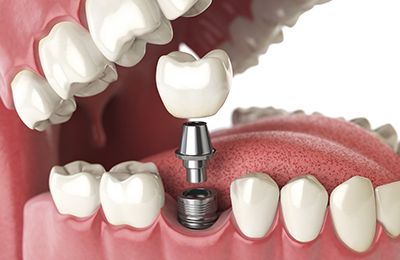
A dental implant crown is the visible, functional part of a dental implant, which serves as a replacement for a missing tooth. This crown is attached to an abutment, which connects it to the implanted fixture anchored in the jawbone. The implant crown is custom-designed to match the shape, color, and size of the patient’s natural teeth, providing a natural and aesthetically pleasing appearance.
Implant crowns can be all porcelain crowns or porcelain fused to metal crowns.
One of the key advantages of implant crowns is their stability and permanence, as they are securely anchored to the jawbone, mimicking the strength and function of a natural tooth.
The placement of a dental implant crown is a multi-stage process, beginning with the surgical placement of the implant and concluding with the attachment of the custom-made crown, ultimately restoring both the function and cosmetic aspect of the missing tooth. To learn more check out our article Implant Crowns & Bridges NYC.

Dental Crowns for the Front and Back Teeth
When a dental crown is diagnosed dentists will recommend different types of dental restoration, based on the patients’ needs and concerns, like the position of the tooth, the bite, and the aesthetics, metal allergies.
Porcelain fused to metal crowns used to be the most popular option, but with development in technology and advancement in ceramic crowns metal free crowns, dentists and patients find other types of dental crowns like Zirconia crowns and other all-ceramic crowns to be better options.
DENTAL CROWNS ON THE BACK TOOTH
Known as molars and premolars, they endure substantial biting forces and are vital for chewing. Dental crowns on these teeth are frequently employed to strengthen and protect these load-bearing surfaces. Whether due to extensive decay, fractures, or large restorations, crowns provide durable protection, restoring the structural integrity of the tooth. The materials used for back tooth crowns are often selected for their strength and ability to withstand the pressures associated with chewing and grinding. Zirconia crowns, PFM crowns, all-metal crowns, including gold crowns are all suitable options for out of sight molars.
DENTAL CROWNS FOR THE FRONT TEETH
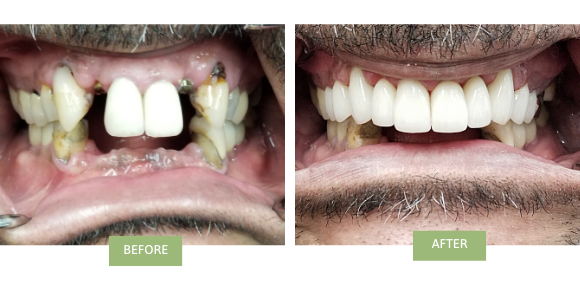
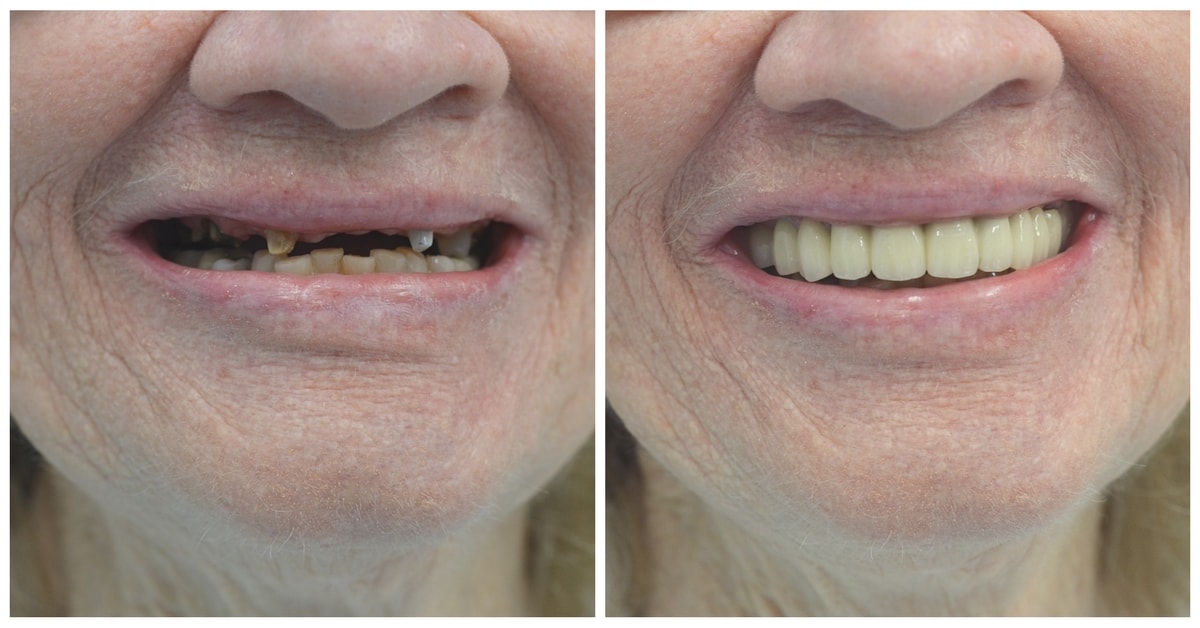
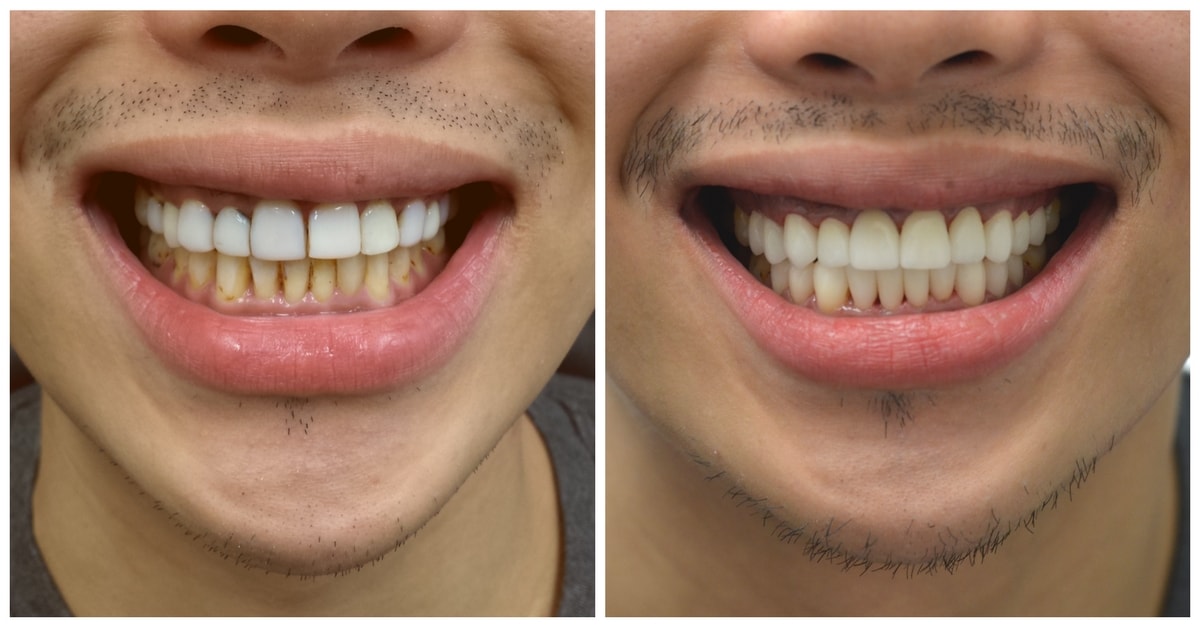
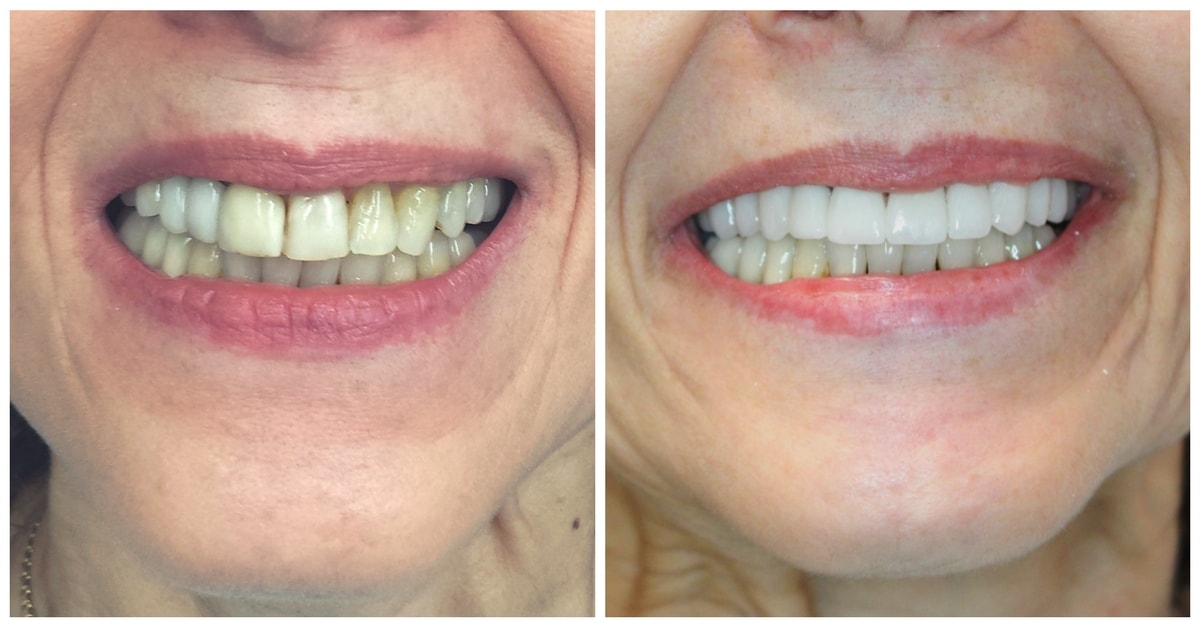
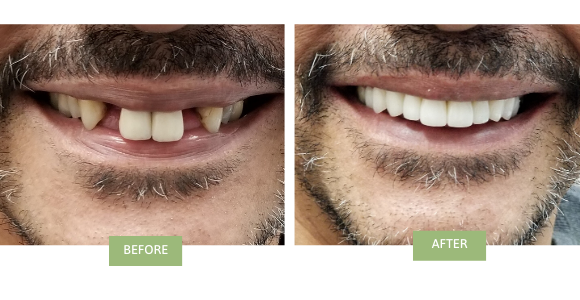
If you need dental crowns on your front teeth and you are not a grinder, ceramic crowns and porcelain crowns offer a very natural-looking option to restore your teeth. At 209 NYC Dental, we work with a top-of-the-line dental laboratory and ceramic specialist, which ensures that our results produce beautiful and natural-looking teeth. Check out our smile gallery of before-and-after dental crowns to judge for yourself.
Dental Crown Procedure: Step by Step Guide
This section provides a detailed breakdown of the steps involved in getting a dental crown. This procedure is typically a two-visit treatment identical to that of porcelain onlay and inlay.
1. Diagnosis & Treatment Planning for Dental Crowns
The initial phase involves a consultation with your dentist, where a thorough examination of your teeth is conducted. This includes the use of X-rays to assess the extent of damage or decay to the natural teeth. The dentist will determine whether a crown is the appropriate treatment based on this evaluation and if so, the types of dental crowns best suited.
2. Crown Preparation Steps:
It’s important to note that the steps may vary slightly depending on the specific circumstances and the technology used by the dental practice.
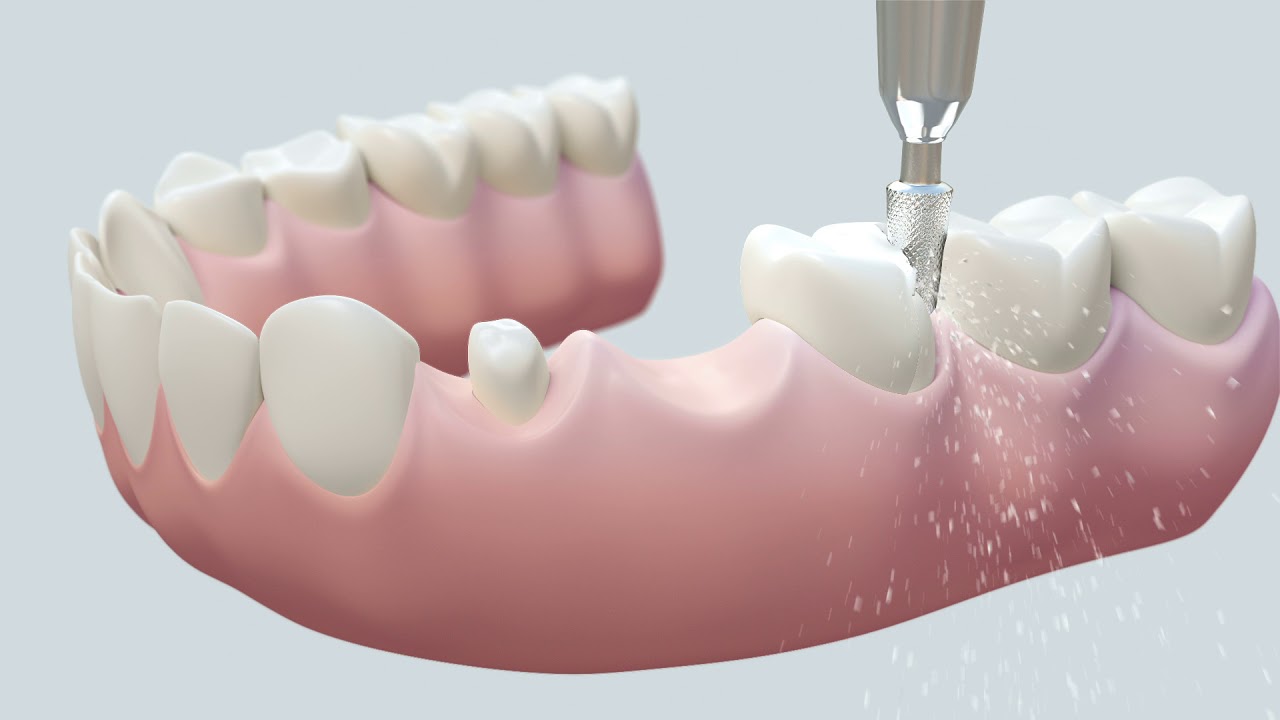
- Crown Prep: Before the final crown is placed, the existing tooth needs to be prepared. This involves removing any decayed or damaged tooth structure including natural enamel, and shaping the remaining tooth to provide enough space so the new crown fits comfortable when cemented.
- Impressions: Once the tooth is prepared, impressions of the treated tooth and surrounding teeth are taken. This can be done using traditional dental impressions material or using digital scanning technology.Please note 209 NYC Dental uses 3D scanner for dental impressions, so instead of the dental impressions material that you see in this video, the doctor uses a digital wand. In addition, because we use 3D scanners, the impression time is much shorter and your overall experience is much more pleasant.
- Temporary Crown: Since the natural tooth no longer has tooth enamel to protect it, it may become very sensitive when exposed to air, water, food. Thus the tooth has to be protected with a temporary crown. While the permanent crown is being fabricated (which can take a couple of weeks), a temporary crown is placed to protect the prepared tooth. If multiple teeth are being prepared every tooth will get temporary crown.Temporary crowns are usually made out of acrylic and are not as durable as the permanent crowns. Temporary crowns are meant to last until the cementation of the final crown and need to be easily removed when the permanent crown is ready for cementation.
- Dental Lab Fabrication: The impressions or digital scans are sent to a dental laboratory, where skilled technicians create the custom crown based on the dentist’s specifications, including shade of the crown.
3. Crown Placement:
- Temporary Crown Removal: Once the permanent crown is ready, you return to the dentist for the crown placement. The temporary crown is removed, and the fit and color of the permanent crown are checked.
- Crown Adjustments: The dentist makes any necessary adjustments to ensure that crown fits properly and patient feels comfortable biting. This may involve some shaping and polishing of the crown to avoid additional pressure from opposing teeth.
- Crown Cementation: Once satisfied with the fit and appearance, the dentist cements the dental crown onto the prepared tooth using dental cement. Any excess cement is removed.
- Final Checks and Instructions: The dentist ensures that the dental crown does not interfere with your bite and checks your overall satisfaction. They may provide instructions on care and maintenance of the crown. Always follow your dentist’s recommendations for post-procedure care and maintenance to ensure the longevity of the crown.
Post-treatment Recommendations
Recovery Time After a Porcelain Crown Procedure?
Following a crown procedure, the recovery time can vary. Generally, patients may experience some sensitivity or discomfort for a few days. However, significant improvement is often noticeable within a week. It’s essential to follow post-procedure care instructions provided by your dentist for a smoother recovery.
Foods to Avoid with a Crown
Once the anesthesia wears off after getting a permanent crown, you can eat normally. However, it’s advisable to be cautious with very hard or very chewy foods that could potentially damage or dislodge the crown. Some examples include chewy candies, ice, and hard nuts. Opt for softer and non-sticky options to protect your new crown. Consult with your dentist for specific dietary guidelines based on your individual case.
Post-treatment Recommendations
Recovery Time After a Porcelain Crown Procedure?
Following a crown procedure, the recovery time can vary. Generally, patients may experience some sensitivity or discomfort for a few days. However, significant improvement is often noticeable within a week. It’s essential to follow post-procedure care instructions provided by your dentist for a smoother recovery.
Foods to Avoid with a Crown
Once the anesthesia wears off after getting a permanent crown, you can eat normally. However, it’s advisable to be cautious with very hard or very chewy foods that could potentially damage or dislodge the crown. Some examples include chewy candies, ice, and hard nuts. Opt for softer and non-sticky options to protect your new crown. Consult with your dentist for specific dietary guidelines based on your individual case.
Benefits Dental Crowns
All dental procedures are unique to every individual’s needs. Here are some things to consider during and after getting a tooth crown:
Cosmetic Benefits:
Ceramic crowns and all-porcelain crowns offer significant cosmetic advantages by improving the appearance of damaged, discolored, or misshapen teeth. They are customized to match the color, shape, and size of natural teeth, enhancing overall smile aesthetics.
Protective Restoration: Dental crowns provide a durable and strong covering for weakened natural teeth, safeguarding them from further damage, decay, or fractures. This protective function helps maintain the structural integrity of the tooth.
Disadvantages of Dental Crowns
Tooth reduction: Due to a significant reduction in tooth structure, crowns are not as desired anymore, since ceramic onlays and inlays, and porcelain veneers provide similar type of restoration while preserving more tooth structure. PFM crowns require the most reduction.
Possible crown loss: Just like any restoration, a dental cap may come off because of various reasons.
Unaesthetic appearance of metal: Metal crowns are protective restorations that do not have any esthetic appeal. Eventually the metal edge of the Porcelain fused to metal crown (PFM crowns) will start to show as the gums recede.
How to fix a Loose Crown?
Is this a dental emergency? Yes, it is!
Do you have to be seen right away? If a crown falls off, call your dentist immediately! If you are away or the dentist’s office is closed, it is not an emergency that has to be addressed immediately unless you are in pain. You absolutely have to see a dentist to have them check the tooth, clean the crown, and re-cement it with permanent cement if there are no contradictions.
What to do if you have no access to the dentist? You can buy a temporary, over-the-counter cement in the nearest pharmacy and temporarily cement the crown. Please remember, it is only a temporary solution. Temporary cement does not provide a proper sterile environment that the tooth requires to avoid getting decayed again.
In addition, there might be an underlying reason why the crown came off, and if this issue is not resolved right away, it may cause more toothache and expense in the future.
Porcelain Crowns Cost
The cost of porcelain crowns can vary widely based on several factors. Here is a quick overview of what can affect the price of the crown:
- Dental Insurance or private fees – Insurance fees tend to be lower for crowns then private fees.
- Your location – NYC price is more likely to be much high then a small town in the mountain of New York state due to higher cost of living and real estate prices.
- Type of crown – Porcelain crown will always be more expensive than an all-metal crown.
- The complexity of the procedure – if you need additional treatments to restore the tooth the cost of the final treatment plan will be higher.
- The individual dental practice prices – Private offices determine their own prices, so price of own office could be very different from the other.
- The technology or materials dentist employs – The use of better material may be reflected in a higher cost of procedure since it is often related to better quality of the supplies, instruments and materials used. However, the smaller dental office may not have the same leverage to negotiate the supplies costs due to smaller volume as a larger office or a large DSO chain.
It’s essential to understand that crown costs can range from a few hundred ($800) to over a thousand dollars per crown ($2500-3000), and the final price may depend on various factors. Remember to prioritize the quality of dental care and materials when making decisions about your oral health. Always consult directly with a dentist in your area for the most accurate and personalized cost information.

Contact the Specialists at 209 NYC Dental for Your Dental Crown Treatment
We want to help you improve your smile and self-esteem with our quality dental treatments and restoration services if you are experiencing tooth loss. Contact us today to learn more about our oral hygiene services, or book an appointment online to schedule your next procedure with us.
209 NYC Dental is conveniently located in Midtown Manhattan NYC and open 7 days a week, providing our patients with additional flexibility when scheduling. With over 20 years of experience, we have expanded into a multi-specialty practice with the ability to aid you with any dental issue, all in one location.
Author: Dr. Ben Ifraimov
What Our Patients Are Saying
With over 1000 reviews from all over the web with an average rating of 4.9 we are proud to be in the Manhattan Dental Elite.